Marketing Lessons Learned from THE PARADISE
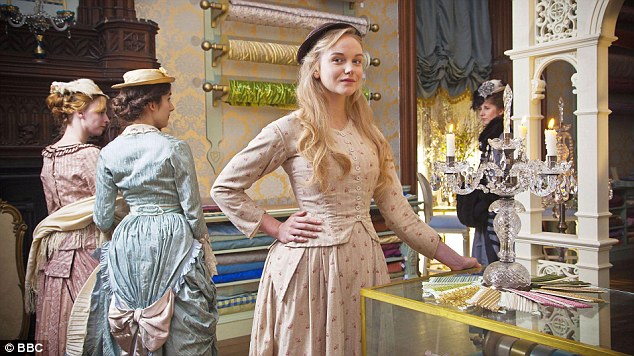
Now, I’m not one of those Sense and Sensibility types. Little Women…pshaw. And I certainly couldn’t sit through even one episode of Downton Abbey. So, I was probably more surprised than anyone when I was invited to binge watch the first season of The Paradise (Thank you, Netflix). This enterprising BBC series is derived from the famous novel of Émile Zola and follows the popularity of the first English department store, its famous owner John Moray and his “little champion” Denise Lovett, the true marketing genius behind the store’s success. And while the plot twists and turns through themes of big business vs. small business, the role of women at the turn of the century, class struggle and the lives and loves of the people who work there, I became hooked on The Paradise for a completely different reason. I was intrigued by the whimsical way in which The Paradise captured the hearts and minds of their customers as Denise invents modern retail marketing.
With each “new idea,” or what seemed to be a novel concept at the time, I was reminded of the marketing basics from which we sometimes stray. Now, if you haven’t seen or heard of The Paradise, read on anyway my friend, and I guarantee that you’ll be on the Netflix search bar in no time at all. Here are a few marketing lessons we can all take away from the series:
- Have a passion for your customers. If you’re not passionate about what you’re representing, you can’t possibly do a good job. It’s because of Denise’s love for The Paradise — its products and its customers, that desire to surprise and delight everyone who entered its doors — that her marketing schemes are wildly successful.
- Marketing and selling go hand in hand. It’s absolutely impossible to be a good marketer if you don’t love selling. Marketing ideas grow around a sales need. And the greater the need, typically the more innovative the solution. In an early episode, a customer, Mrs. Brookmeyer, spends way too much time and money in the store with her bill-paying husband absent. In order to help her save face (and keep from returning all of the goods sold), The Paradise opens its first credit account and uses it as a marketing tool. Necessity really is the mother of invention.
- Any good marketer will play the hand they’re dealt. When a baby is found at the steps of the store, Moray immediately contacts a foundling home, but asks the home to wait just a few days until the press could be invited to see how the store was caring for the abandoned child. Then customers are encouraged to visit and contribute to a fund to care for the child. Thus, the first retail cause marketing campaign is born.
- Sex sells. But, but only if you’re selling the right way. In Episode 5 Denise has the idea to turn idle time in the store into a “Gentlemen’s afternoon,” where men of the town could buy frills and intimates for their wives. When the affair is deemed socially unseemly, the store recasts the session as a “Private Women’s Lingerie Trunk Show” as a way to apologize and save face with the men’s wives. Does Victoria’s Secret come to mind?
- Raise the price and you raise the value. When exotic love birds are introduced in The Paradise, the decision is made to sell them for much more than their purchased value in order to create a sense of scarcity. In short order, the love birds are all the rage with the town’s elite.
- Partner marketing can be effective, but only if partners actually behave as partners. During a brief hiatus from working at The Paradise, Denise develops a co-operative of the small traders in the neighboring street to battle the dominating Paradise but the plan falls short when the shop owners can’t find a way to work together.
- Find a need and fill it. With photography at its height of popularity, the owner of the Paradise hires a photographer to shoot portraits. After learning that most well-to-do families already had portraits, Denise has the idea to commemorate their visit to the store with a free Paradise portrait postcard, to be proudly displayed on the mantle when they return home. The customers wanted to boast about their visit to The Paradise and the postcard did just the trick.
- Good marketing connects with what people love. The local newspaper had been running a very popular serialized ghost story in its weekly edition. The series had captured the imagination of all of the townspeople. So, The Paradise intuitively makes a deal with the paper to host the distribution of the final edition of the story by transforming the store into a life-size reenactment of the castle where the story took place. Experiential Marketing at its finest.
Certainly, today’s marketers would never THINK to take advantage of the opening of a new Marvel movie, partner with the United Way, sell a $4 cup of coffee or pull New Coke off the shelf, give you a discount for opening a revolving credit account, build an REI climbing wall or send you home with a Jack-in-the-Box antennae ball. But all of these smart marketing moves and many more can be found by watching The Paradise. Check it out, even if you’re not typically one to stay up late watching the latest remake of Pride and Prejudice.

Don Low is a principal at Push Design. When he’s not working, he’s turning laps in a pool, riding his road bike, deciding what to make for dinner or cheering on his kids Deidre, Connor and Lucy Low.
 But all is not gloom and doom. The beauty of strong agency relationships is that they are mutually beneficial. In this series we’ve attempted to give you insight into the inner workings of an agency so you can better anticipate the headaches and heartaches that inevitably come. Here is a list of the top seven things you can do to make sure your relationship remains healthy and prosperous. It’s the summary of our previous seven articles in this series.
 something great for you in a few days. But the reality is there are three other projects ahead of you in the queue, two creatives are out sick and our biggest client just called with a “favor”. We just can’t tell you these things because we don’t want you to feel like you’re not our top priority.
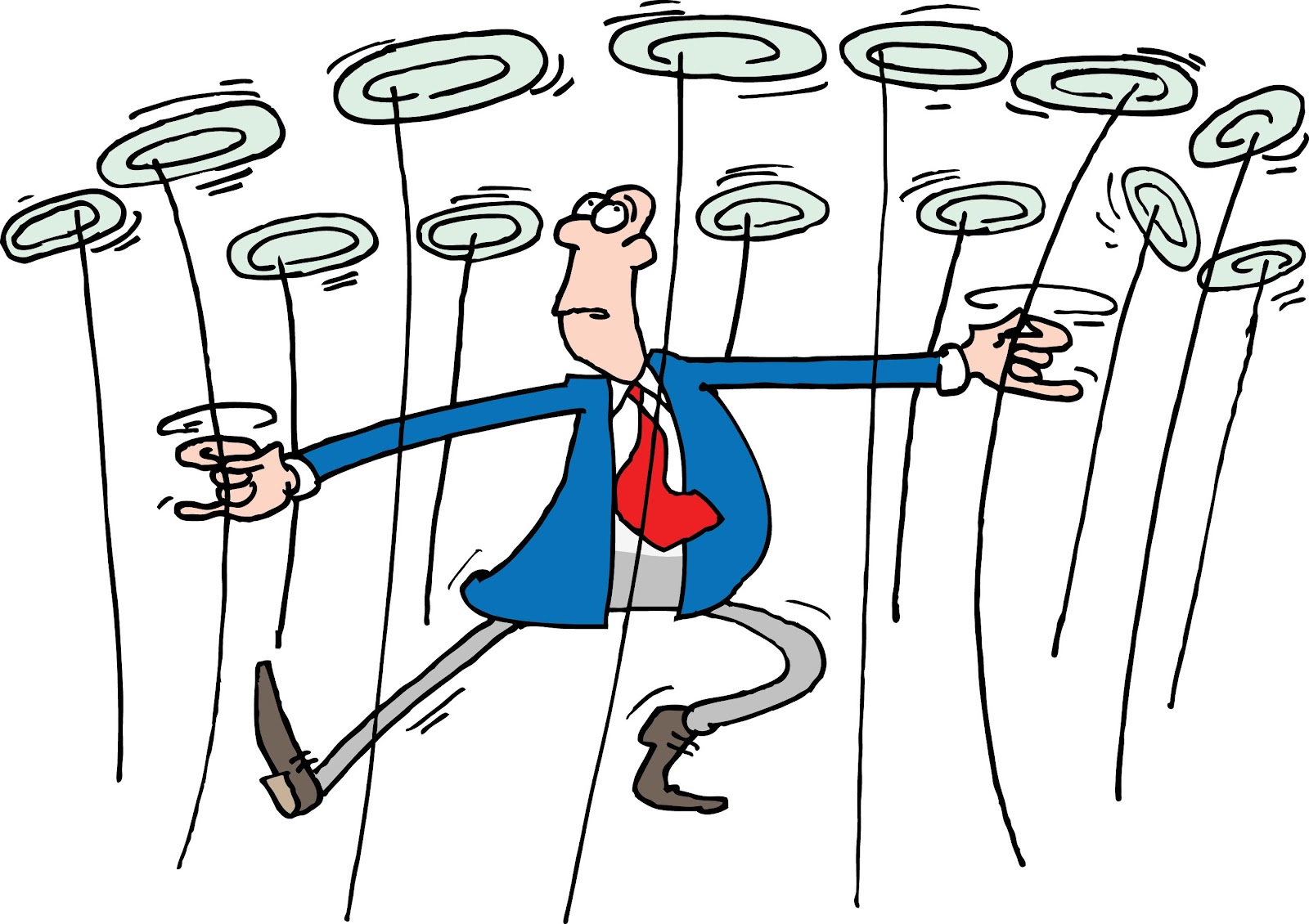 time. We spend our day ideating on new campaigns while finishing work that is in progress. Creative and production mindsets are completely different. It’s a dance, and usually we do it in an elegant way. We must commit the time necessary to do the kind of quality work you hired us to do, yet we have to make sure we deliver the goods. In order to be successful we have to be clear, proactive communicators, both inside our agency and out. Here’s how you can mange the beehive:
 “Why did this happen? Were they not taking notes? How could they have missed it? I couldn’t have been more clear.”
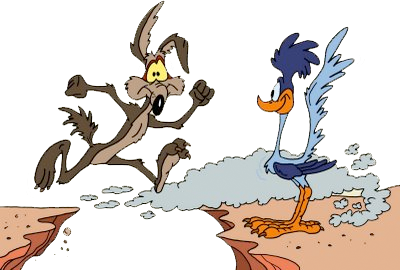 little bumpy to say the least. Your CEO came in at the last minute and had some comments that derailed you for awhile. But now you’re back on track. Your agency has been quietly spinning in the background, meeting deadlines and being just lovely about your requested changes. Then, out of the blue, you receive an e-mail with an attached change order. The e-mail explains that the original scope of work called for two rounds of revisions and your requested changes have resulted in a $5,000 change order fee to the budget.
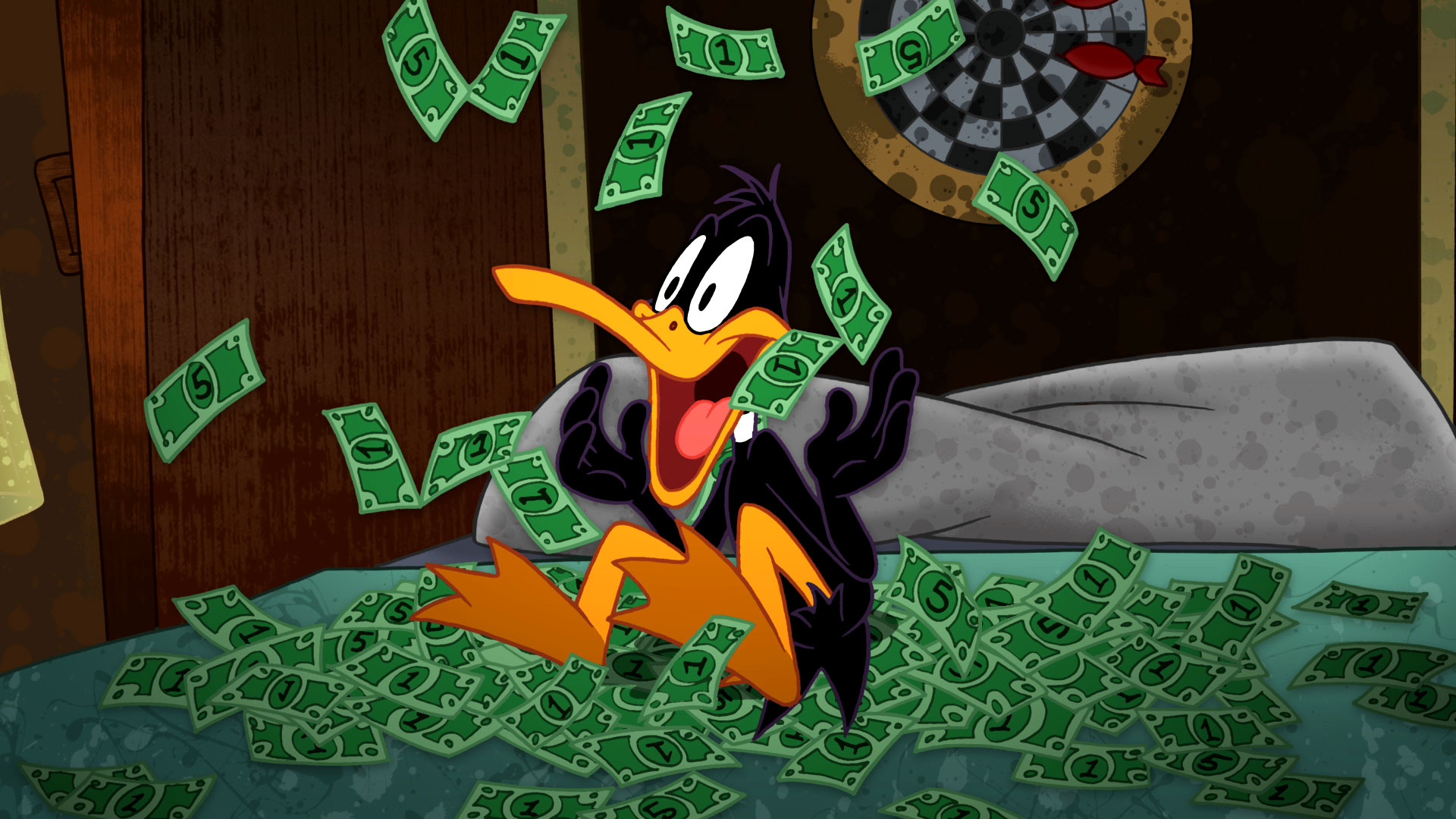 The agency is afraid they’re going to lose their shirt. Your agency should be a strategic partner and work with you to help you define your projects and determine budget parameters. But too often clients and agencies don’t approach ill-defined projects as partners. They hold their cards close to their vest and “Who’s On First”ensues.
 creative brainstorming, internal strategizing, prodigious notes, concepting, production schedules, copy proofs, late nights, weekends – and you barely even think about us during the day?
 Inspired ideas usually start with inspired creative briefs. Great work is the result of a well-constructed creative strategy. It’s not just the creative director’s job to provide the inspiration. It’s also your job, as the client, to think creatively about the underlying marketing strategy and how it might be conveyed.